



Como identificar um tecido resistente a cortes?
2026-05-08 10:25
Resistência ao rasgoResistência à perfuraçãoAs classificações modernas da norma EN 388 geralmente incluem letras como: A B C D E F“F” representa o nível mais alto de resistência a cortes.Para compradores internacionais, compreender as normas ANSI e EN 388 é importante ao comparar fornecedores de tecidos resistentes a cortes em todo o mundo.
Qual o nível de corte mais adequado para diferentes setores?
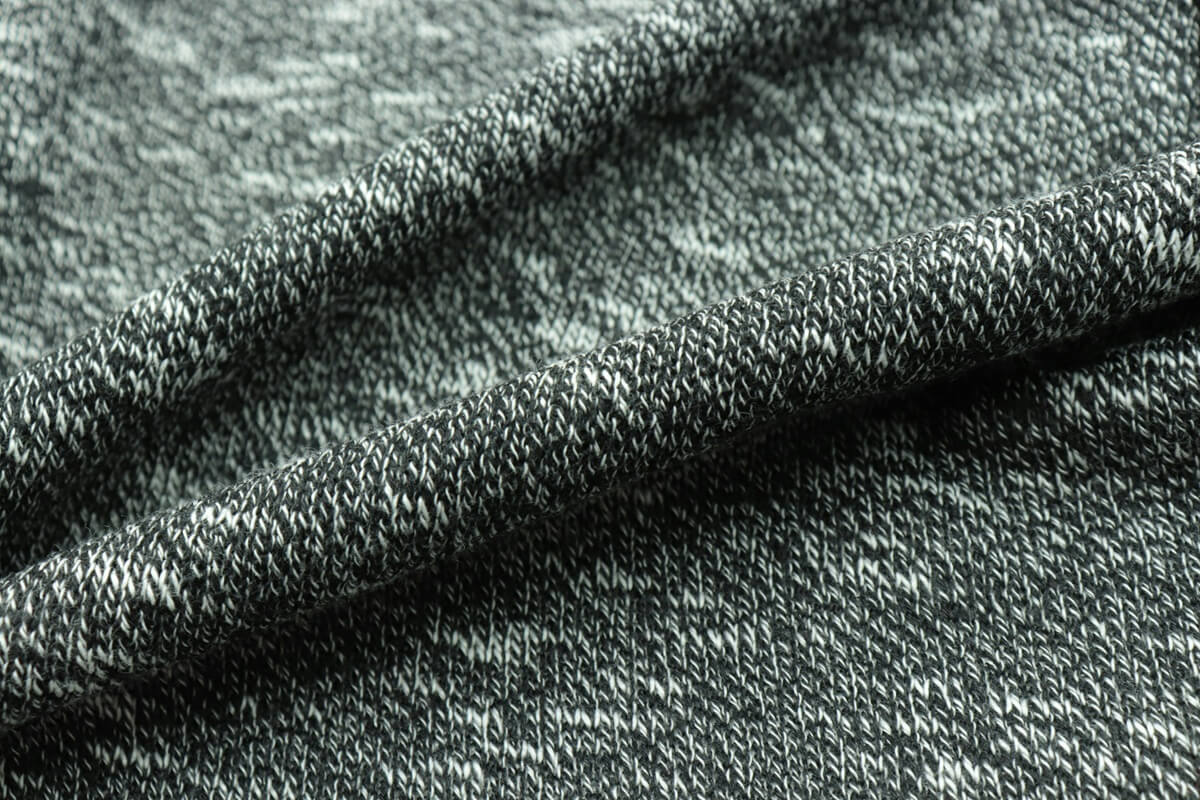
Diferentes ambientes de trabalho exigem diferentes níveis de resistência a cortes nos tecidos.
Indústria
Nível de corte recomendado
Armazenagem
A2-A3
Automotivo
A4-A5
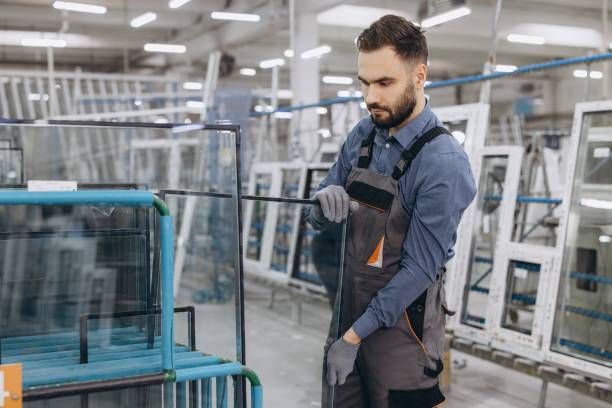
Manuseio de Vidro
A5-A7
Fabricação de metal
A6-A8
Processamento de Alimentos
A3-A5
Escolher um tecido com resistência a cortes excessivamente alta pode reduzir o conforto e a destreza, portanto, os compradores devem selecionar o tecido resistente a cortes com base nos riscos reais do local de trabalho.
Quais tecidos são resistentes a cortes?
Diversos materiais avançados são comumente usados para fabricar tecidos resistentes a cortes.
Tecido HPPE
O HPPE é leve, flexível e altamente durável. É um dos materiais mais utilizados na produção moderna de tecidos resistentes a cortes.
Tecidos de Kevlar® e aramida
O tecido resistente a cortes à base de aramida oferece excelente resistência ao calor, além de proteção contra cortes.
Tecido misto de fibra de aço
O tecido resistente a cortes com reforço de aço oferece altíssima resistência a cortes, ideal para ambientes industriais extremos.
Tecido UHMWPE
O polietileno de ultra-alto peso molecular oferece resistência excepcional, mantendo-se leve.
Tecidos Compósitos
Atualmente, muitos fabricantes combinam diversas fibras para criar tecidos multifuncionais resistentes a cortes com:
Resistência ao corte
Resistência à abrasão
Resistência ao calor
Propriedades antiestáticas
Como escolher o tecido resistente a cortes adequado para sua aplicação
Selecionar o tecido resistente a cortes adequado envolve mais do que escolher o nível mais alto de resistência a cortes.
Considere os riscos no local de trabalho
Avaliar:
| exposição da lâmina | Bordas afiadas |
| Riscos de corte repetitivo | Condições ambientais |
| Equilíbrio entre proteção e conforto | Os trabalhadores têm maior probabilidade de usar equipamentos de proteção de forma consistente quando o tecido resistente a cortes é confortável e flexível. |
| Verifique a durabilidade | Tecidos resistentes a cortes de alta qualidade devem manter seu desempenho após: |
| lavagem repetida | Uso diário |
| Exposição à abrasão | Trabalhe com fabricantes experientes |
Um fornecedor confiável pode recomendar o tecido resistente a cortes mais adequado com base em:
Requisitos da indústria
Normas de segurança
Necessidades de personalização
Fabricantes profissionais também oferecem suporte para testes e soluções OEM/ODM.
Tendências futuras em tecnologia de tecidos resistentes a cortes
A indústria global de EPIs continua a inovar, e a tecnologia de tecidos resistentes a cortes está evoluindo rapidamente.
Fibras leves de alto desempenho
Os tecidos modernos resistentes a cortes estão se tornando:
Isqueiro
Mais respirável
Mais flexível
sem comprometer a proteção.
Têxteis de proteção sustentáveis
A produção ecologicamente correta, as fibras recicláveis e as soluções têxteis sustentáveis estão se tornando cada vez mais importantes.
Tecidos multifuncionais
Os fabricantes estão desenvolvendo tecidos resistentes a cortes que combinam:
Resistência à chama
Desempenho antiestático
resistência química
Gestão da umidade
Tecidos de proteção inteligentes
As tecnologias emergentes incluem sensores vestíveis integrados em tecidos resistentes a cortes para monitorar a segurança do trabalhador em tempo real.
Essas inovações estão ajudando as indústrias a melhorar tanto a proteção dos trabalhadores quanto a produtividade.
| Perguntas frequentes sobre tecido resistente a cortes | Qual o melhor material resistente a cortes? | Não existe um único material "ideal". O tecido ideal resistente a cortes depende da aplicação. HPPE, Kevlar®, UHMWPE e misturas de fibra de aço são comumente usados para diferentes níveis de proteção. |
| O Kevlar é melhor que o HPPE? | O Kevlar® oferece melhor resistência ao calor, enquanto o tecido resistente a cortes à base de HPPE é geralmente mais leve e confortável. A melhor opção depende do ambiente de trabalho. | O que significa ANSI A5? |
| A norma ANSI A5 indica que o tecido resistente a cortes pode suportar um nível relativamente alto de força de corte, tornando-o adequado para indústrias como a de fabricação automotiva e a de manuseio de vidro. | O tecido resistente a cortes se desgasta com o tempo? | Sim. Abrasão repetida, lavagens e uso intenso podem reduzir gradualmente a eficácia do tecido resistente a cortes. Recomenda-se inspeção e substituição regulares. |
| Tecidos resistentes a cortes podem ser lavados repetidamente? | A maioria dos tecidos modernos resistentes a cortes são projetados para lavagens repetidas. No entanto, os compradores devem sempre seguir as instruções de cuidado do fabricante para manter o desempenho e a durabilidade. | Conclusão |
| Identificar tecidos resistentes a cortes de alta qualidade é essencial para garantir a segurança dos trabalhadores e atender aos padrões de proteção industrial. Ao verificar certificações, analisar a composição das fibras, revisar relatórios de testes e compreender os níveis de resistência a cortes, os compradores podem tomar decisões de compra mais informadas. | À medida que as indústrias continuam a exigir soluções de EPI mais seguras e avançadas, a tecnologia moderna de tecidos resistentes a cortes continuará a evoluir em direção a têxteis de proteção mais leves, resistentes e multifuncionais. Escolher o material certo não só melhora a segurança no local de trabalho, como também aumenta o conforto, a produtividade e o valor a longo prazo. | Heavy industrial tasks |
| A8-A9 | Extreme | Hazardous cutting environments |
For example, cut resistant fabric rated ANSI A5 can withstand significantly higher cutting force than A3 materials.
EN 388 Cut Ratings Explained
EN 388 is the European standard for protective gloves and fabrics.
The standard evaluates:
Abrasion resistance
Blade cut resistance
Tear resistance
Puncture resistance
Modern EN 388 ratings often include letters such as: A B C D E F
“F” represents the highest level of cut resistance.
For international buyers, understanding both ANSI and EN 388 standards is important when comparing cut resistant fabric suppliers globally.
Which Cut Level Is Best for Different Industries?
Different workplaces require different levels of cut resistant fabric.
| Industry | Recommended Cut Level |
| Warehousing | A2-A3 |
| Automotive | A4-A5 |
| Glass Handling | A5-A7 |
| Metal Fabrication | A6-A8 |
| Food Processing | A3-A5 |
Choosing excessively high cut resistance may reduce comfort and dexterity, so buyers should select cut resistant fabric based on actual workplace hazards.
What Fabrics are Cut-Resistant?
Several advanced materials are commonly used to manufacture cut resistant fabric.
HPPE Fabric
HPPE is lightweight, flexible, and highly durable. It is one of the most widely used materials in modern cut resistant fabric production.
Kevlar® and Aramid Fabrics
Aramid-based cut resistant fabric offers excellent heat resistance in addition to cut protection.
Steel Fiber Blended Fabric
Steel-reinforced cut resistant fabric provides very high cut resistance for extreme industrial environments.
UHMWPE Fabric
Ultra-high molecular weight polyethylene offers exceptional strength while remaining lightweight.
Composite Fabrics
Many manufacturers now combine multiple fibers to create multi-functional cut resistant fabric with:
Cut resistance
Abrasion resistance
Heat resistance
Anti-static properties
How to Choose the Right Cut Resistant Fabric for Your Application
Selecting the right cut resistant fabric involves more than choosing the highest cut level.
Consider Workplace Hazards
Evaluate:
Blade exposure
Sharp edges
Repetitive cutting risks
Environmental conditions
Balance Protection and Comfort
Workers are more likely to wear protective equipment consistently when the cut resistant fabric is comfortable and flexible.
Check Durability
High-quality cut resistant fabric should maintain performance after:
Repeated washing
Daily wear
Abrasion exposure
Work with Experienced Manufacturers
A reliable supplier can recommend the most suitable cut resistant fabric based on:
Industry requirements
Safety standards
Customization needs
Professional manufacturers also provide testing support and OEM/ODM solutions.
Future Trends in Cut Resistant Fabric Technology
The global PPE industry continues to innovate, and cut resistant fabric technology is evolving rapidly.
Lightweight High-Performance Fibers
Modern cut resistant fabric is becoming:
Lighter
More breathable
More flexible
without sacrificing protection.
Sustainable Protective Textiles
Eco-friendly production, recyclable fibers, and sustainable fabric solutions are becoming increasingly important.
Manufacturers are developing cut resistant fabric that combines:
Flame resistance
Anti-static performance
Chemical resistance
Moisture management
Smart Protective Fabrics
Emerging technologies include wearable sensors integrated into cut resistant fabric to monitor worker safety in real time.
These innovations are helping industries improve both worker protection and productivity.
FAQ About Cut Resistant Fabric
What is the best cut-resistant material?
There is no single “best” material. The ideal cut resistant fabric depends on the application. HPPE, Kevlar®, UHMWPE, and steel fiber blends are all commonly used for different levels of protection.
Is Kevlar better than HPPE?
Kevlar® offers better heat resistance, while HPPE-based cut resistant fabric is generally lighter and more comfortable. The better option depends on the work environment.
What does ANSI A5 mean?
ANSI A5 indicates that the cut resistant fabric can withstand a relatively high level of cutting force, making it suitable for industries such as automotive manufacturing and glass handling.
Does cut resistant fabric wear out over time?
Yes. Repeated abrasion, washing, and heavy use can gradually reduce the effectiveness of cut resistant fabric. Regular inspection and replacement are recommended.
Can cut resistant fabric be washed repeatedly?
Most modern cut resistant fabric materials are designed for repeated washing. However, buyers should always follow manufacturer care instructions to maintain performance and durability.
Conclusion
Identifying high-quality cut resistant fabric is essential for ensuring worker safety and meeting industrial protection standards. By checking certifications, analyzing fiber composition, reviewing testing reports, and understanding cut resistance levels, buyers can make more informed purchasing decisions.
As industries continue to demand safer and more advanced PPE solutions, modern cut resistant fabric technology will keep evolving toward lighter, stronger, and more multifunctional protective textiles. Choosing the right material not only improves workplace safety but also enhances comfort, productivity, and long-term value.
Notícias relacionadas
Leia mais >-
![O que é uma jaqueta antiestática?]()
O que é uma jaqueta antiestática?
Saiba o que é uma jaqueta antiestática, como ela funciona, os materiais utilizados, as principais aplicações, as normas ESD e como escolher a jaqueta certa para o trabalho.
-
![Para que serve o fio de aço inoxidável?]()
Para que serve o fio de aço inoxidável?
Descubra as aplicações do fio de aço inoxidável, desde tecidos antiestáticos e com blindagem EMI até têxteis inteligentes, aquecimento e vestuário de proteção.
-
![O que é fio de aço inoxidável?]()
O que é fio de aço inoxidável?
O que é fio de aço inoxidável? Saiba mais sobre sua condutividade, propriedades, tipos, aplicações e usos em têxteis antiestáticos, ESD e funcionais.
-
![O que são tecidos retardantes de chamas?]()
O que são tecidos retardantes de chamas?
Saiba o que são tecidos retardantes de chamas, como funcionam, os principais tipos de tecido, aplicações, normas e como escolher tecidos resistentes a chamas para roupas de proteção.
-
![O que é tecido de algodão retardante de chamas?]()
O que é tecido de algodão retardante de chamas?
Explica o que é tecido de algodão retardante de chamas, como funciona, como difere dos materiais inerentemente retardantes de chamas, onde é utilizado, quais normas os compradores devem considerar e como escolher o tecido certo para um programa de vestuário de proteção.
-
![Qual é melhor, tecido de aramida ou de kevlar?]()
Qual é melhor, tecido de aramida ou de kevlar?
Compare o tecido de aramida com o tecido de Kevlar, incluindo resistência, resistência à chama, aplicações e principais diferenças para escolher o material de proteção adequado.
-
![O que é tecido de aramida?]()
O que é tecido de aramida?
Saiba o que é tecido de aramida, suas principais propriedades, as diferenças entre o tecido de meta-aramida e o de para-aramida, aplicações comuns e como escolher o tecido retardante de chamas adequado para vestuário de proteção industrial.
-
![O que é vestuário com resistência a cortes de nível 5?]()
O que é vestuário com resistência a cortes de nível 5?